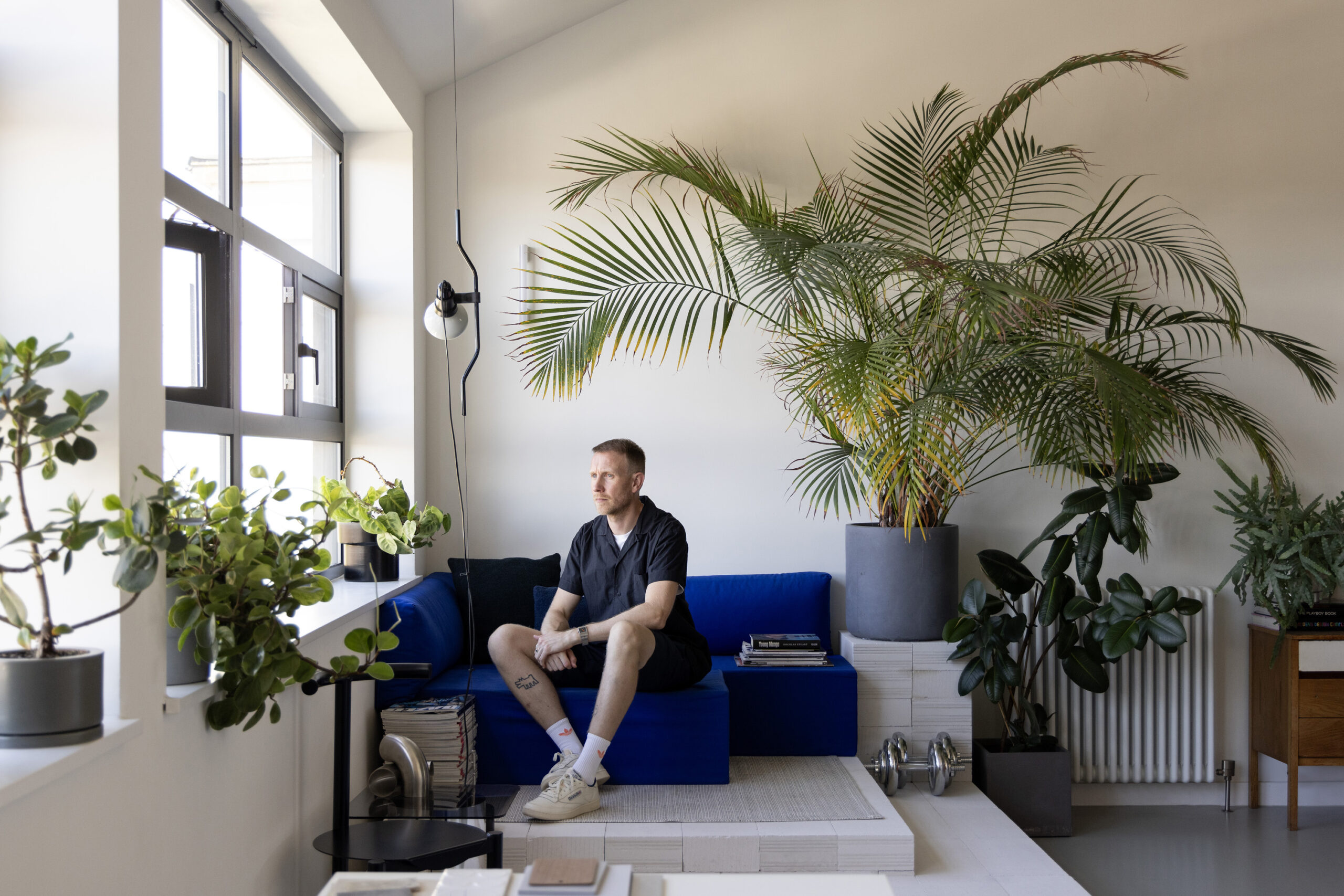

In Conversation with Interior Designer, Lisa Cleary
A Londoner born and bred, but with influential periods living in Belfast and Switzerland, Lisa Cleary has the dual perspective of being a professional interior designer who has also renovated three of her own homes. The daughter of a builder, she grew up fascinated by the building process and an in-depth understanding of the framework of a home is the foundation of her interior design practice, Studio Cleary. We asked Lisa to share her key pieces of advice for homeowners embarking on, or contemplating, a renovation.
Find the right fit for you
Instagram is a great source for finding an interior designer, seeing their work and perhaps getting some sense of who they are and how they work. In terms of finding a designer who is the right ‘fit’ for you, think about whether you like their aesthetic and whether it would work for your project (there is no point hiring a designer with a wabi sabi minimalist aesthetic if you are aiming for a country cottage look in your space). That said, the images that interior designers present on their Instagram page or website are curated and so don’t be put off – design is adaptable! Have a chat! Having someone in your corner is part of what you’re looking for, a designer who has empathy for a client going through the stressful process of a renovation.
Don’t be a bystander
One of the most important pieces of advice I can give anyone, and it follows on directly from finding the right designer, is that you make sure you have and maintain a voice in your project and that, as work progresses, you use that voice. Don’t be intimidated, ask lots of questions and arrange regular site visits. Don’t become a bystander in your renovation. You will learn so much and may even enjoy the process!
An hour could save you time (and a fortune)
You can get an enormous amount achieved in a one hour design consultation. Clients use these sessions in different ways, depending on what stage their project is at. The consultation can kickstart your design process, or perhaps you’re halfway through your project and you’re overwhelmed by decisions. On average, 7,000 decisions need to be made in the course of a house renovation. When clients get decision fatigue or paralysis, one hour can refocus their thoughts and clarify what the next steps should be. Studio Cleary clients have used the hour for detailed specifics, like color palette and paint choices or how to source and display art, but have also used the time to take a breath, clear their heads and discuss the big picture; How do I want my home to feel? What is appropriate for the period and style of my space? Where should I invest my budget?
A pathway to success
I love it when a client comes to a meeting with a thousand ideas. Its then about organising their ideas and refining those ideas. Setting out a clear pathway is crucial to a successful project if you measure success in the two-fold terms of a perfect end result and a stress free, enjoyable process. The set pathway enables a client to know where they are at any given point, and that is a valuable thing.
At Studio Cleary, we start with is a design questionnaire, which gives us an initial read of the client’s wants and needs for their project and allows them to get everything and anything down, however loose or unformed, broad or detailed. The next thing we do is create a high-level concept for the design. It can be a range of visual prompts or touchstones, which act as the foundation for the more detailed design and is something everyone can refer back to as the project develops. Technical considerations are next up- think about any structural adjustments, review the furniture layout, think about plumbing and electrics (including lighting). I spend quite a lot of my time talking about the position of soil pipes! This stage is critical– the skeleton on which everything else hangs. The next step is all about palette and materials, furniture and accessory choices. Then, finally, installation.
So, while I am always excited about the details a client starts with, converting a tangle of ideas into a cohesive and coherent design is where the work lies. You must be disciplined about a rigorous step-by-step approach, otherwise, those precious details will get lost.
Take inspiration from your favourite spaces
Perhaps it is an occupational hazard but I am constantly photographing architectural and design details wherever I go. We went to the Smithsonian in Washington on a recent trip and I will confess to photographing the architraves in the gallery rooms, before looking at the art. I love the detailing in older, classically designed buildings – it indicates a slower, more considered approach to design and architecture. Those small details are quiet champions– I was quite obsessed with the brass floor transitions at The Newt hotel. If you see a detail which you love or is unexpected or just really useful, make a note- take a photo. These are things that can be incorporated into or influence the design of your own home.
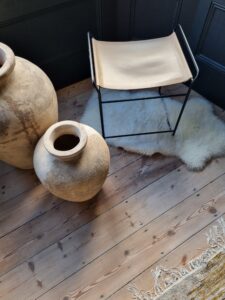
Art can be the starting point of room design but is always the finishing touch
One of the things that I most love doing is sourcing art for a home. A room, in my view, is not finished until it has art in it. Buying art is one of the most exciting things to me about homemaking but it should not be the last thing you think about. Art can sometimes be the starting point of a room design, especially if it’s a big piece that’s got real presence. Sometimes that’s a really good way to start thinking about how you want your house to look or how you want a room to feel. Of the many decisions we have to make when renovating our homes, choosing art should be one of the most pleasurable.
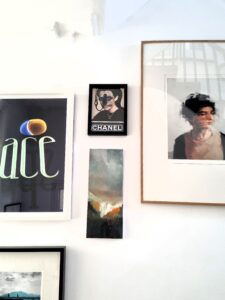
My arch nemesis is the bathroom extractor fan
It’s a little thing but it drives me insane, especially in smaller bathrooms. They tend to have to go in the most conspicuous spot that you see as soon as you enter. The positive off shoot of this obsession is that I have learned how to hide and disguise them, without affecting their functionality, obviously. Modern living throws up a few challenges when it comes to function versus beauty and a good designer will obsess over the details and challenges in your home as if it was their own.
The tricky middle room
Many Londoners, probably the majority of them, doing major work on their house will be considering the side return extension. They are brilliant but in many terrace layouts they leave you with a room marooned in the middle of the ground floor, without much light. These rooms often become a storage area (the polite term for a dumping ground) or a throughfare, if you don’t assign it a particular function.
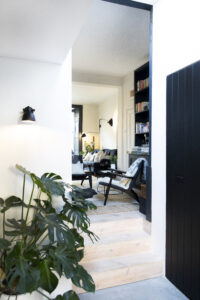
I love the middle room. It is actually my favourite room to design. Sometimes a little darker, it lends itself to a deeper colour palette. I advise you to lean into the limited light. Create something magic and unexpected. A music room, a reading room, a library or a snug. Zoning, colour and identifiable function are the key elements here. Allowing a room to be dark means you need a small amount of light to make a big impression. A vintage candle sconce adds visual interest during the day, but then at night when it’s lit, it creates this magical deep glow.
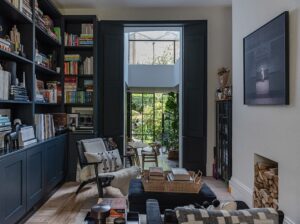
My rule of three
If there is a magic formula for creating a great interior space, three of the key ingredients are;
- Something old, whether that’s a light, a rug or a piece of furniture. There are so many brilliant resellers and vintage dealers to be found on Instagram but don’t forget about ebay, Vinterior or your nan’s attic.
- A material which patinas, be it unlacquered brass, solid wood flooring, leather or wooden furniture. This may not be one for those with perfectionist tendencies but I think weathered materials adds depth and charm to a room.
- An item of whimsy, it could be a cherished holiday trinket or a piece of art that you love. It can be tiny or it can be huge, all that matters is that it’s special to you. I love using Katy Bell’s handpainted lampshades or there is ceramicist called Anastasia Zamareava, whose work I love!
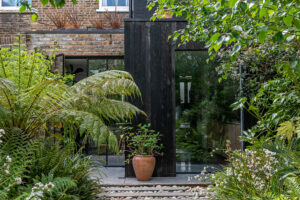
Mother Nature knows what she’s doing
Mother Nature knows what she’s doing when it comes to color combinations, form, and material. There’s no better source than going outside into your favorite space or thinking about the combinations in your favorite landscapes. Take time outside to connect with the natural visual palette you love the most. The deepest part of a mossy forest is my happy place and that is reflected in my own spaces.
To learn more about the spaces Studio Cleary have created, visit https://www.studiocleary.co.uk/
To see Lisa’s own home renovations, visit @alondonrenovation